
Sonic Dream Team Guide
Wall Running and Gravity Shifts in Sonic Dream Team
Wall running and gravity shifts bend Sonic Dream Team levels in wild directions. Here is how to read them.
 By Chris Parker · Mobile Games Reviewer
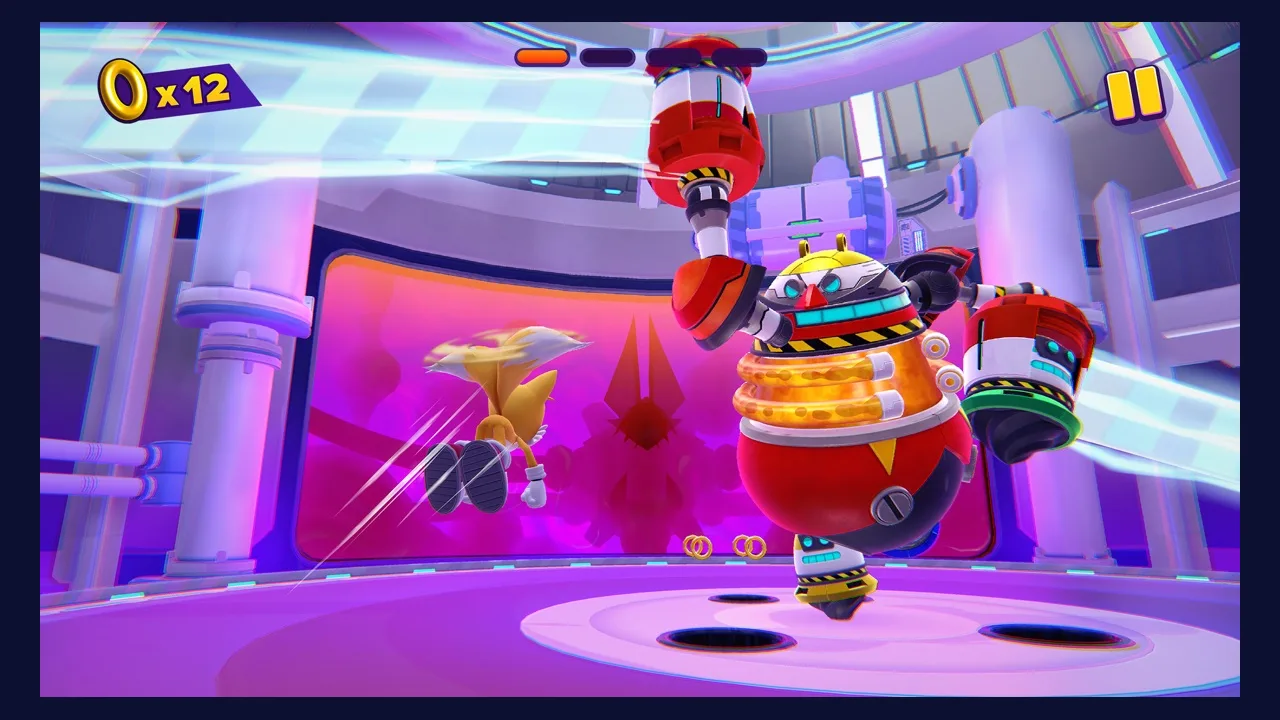
How wall running feels
Wall running in Sonic Dream Team for Android turns walls into floors: run up, run across, and trust the camera. The first wall run feels strange, and the tenth feels like flying, because the game teaches the skill gradually across the dream worlds.
Keep boosting on wall runs and steer gently. Big corrections throw you off the wall, while small ones keep you glued to it. Speed is safety on a wall, not danger.
Reading gravity shifts
Gravity shifts flip the level: floors become ceilings, drops become climbs, and the route you memorized turns inside out. Read the shift markers, follow the rings, and trust that the designers always sign the new down direction.
After a shift, pause for half a second and reorient before boosting. Half a second of looking saves five seconds of falling, and the best players are the ones who look first.
Heroes and gravity
Speed heroes handle gravity shifts best, since their momentum carries through flips. Flight heroes recover best from a bad shift, since flight forgives a wrong landing. Pick speed for learning, flight for recovering. Related reading: Eggman and the Reverie: The Sonic Dream Team Story Explained.
In gravity sections, rings are your compass. Follow ring lines through shifts and you will follow the intended route, because rings mark safe paths in every world.
Practice spots
Practice wall runs in early worlds before trusting them in boss arenas or score attack. The early walls are forgiving, the late walls are not, and the skill transfers perfectly from one to the other. Related reading: Sonic Dream Team Boss Fights: How to Beat Every Eggman Battle.